 Oliver Lindebod · April 6, 2026
How the board sets the tone for resident culture - consciously or not
Make everyday board communication clear and approachable, with visible follow-up and different ways for residents to participate.
Practical guides for board work, resident communication and the finances behind a shared community. Find the task you need help with, or browse the latest product updates.
Oliver Lindebod · April 6, 2026
Make everyday board communication clear and approachable, with visible follow-up and different ways for residents to participate.
Oliver Lindebod · March 30, 2026
Use clear channels, brief decision records and consistent follow-up to reduce avoidable misunderstandings.
Oliver Lindebod · March 23, 2026
Make space for questions, disagreement and new members. Build meetings where people can raise concerns and contribute.
Oliver Lindebod · March 16, 2026
Put recurring deadlines, maintenance and financial tasks into a shared annual cycle that your board can actually maintain.
Oliver Lindebod · March 9, 2026
Support committed volunteers with clear processes, documented decisions and a realistic way for others to take over.
Oliver Lindebod · March 2, 2026
Disclose potential conflicts before a decision and document the response. Separate shared governance from individual legal liability.
Oliver Lindebod · February 23, 2026
Make decisions easier to understand with clear authority, supporting information, a recorded outcome and follow-up.
Oliver Lindebod · February 16, 2026
Use the annual meeting to explain decisions, finances and next steps clearly, alongside the formal business required by your rules.
Oliver Lindebod · February 9, 2026
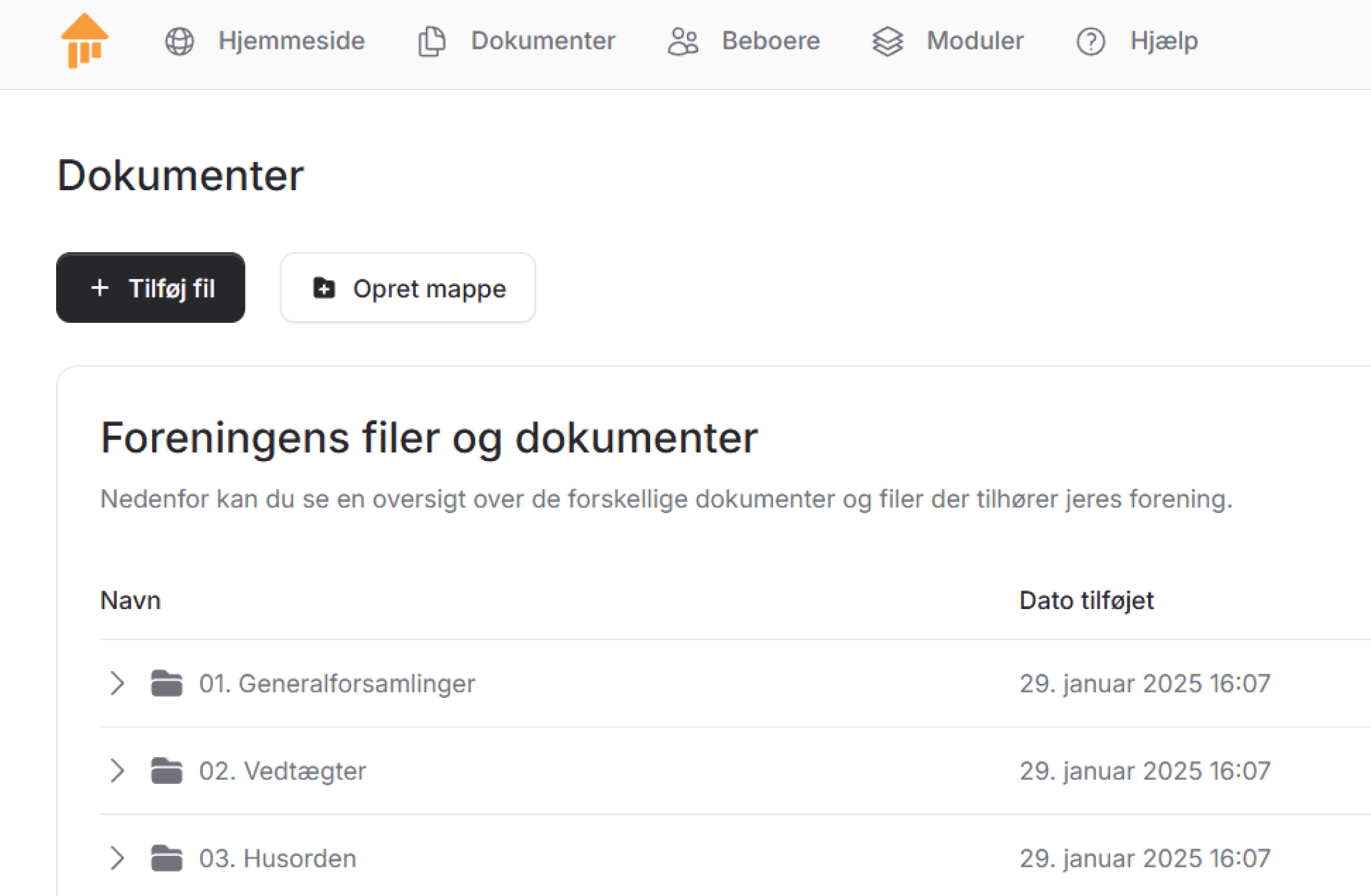
Agree where current documents live, who updates them and how access is controlled. Start with one familiar task.
Oliver Lindebod · February 2, 2026
Keep useful experience while checking whether old routines still work. Make the process understandable to the next board.
Oliver Lindebod · January 26, 2026
Five organizational risks to discuss in your board: dependence on individuals, unclear authority, conflict, missing records and weak handover.
Oliver Lindebod · January 19, 2026
Keep decisions, contacts and practical knowledge available when board members leave. Make handover part of normal work.
Oliver Lindebod · January 12, 2026
Assess your own digital workflow: can another board member find the records, understand a decision and continue the work?
Oliver Lindebod · January 5, 2026
Small associations can have substantial responsibilities. Build a workable routine for records, finances, tasks and board transitions.
Oliver Lindebod · December 29, 2025
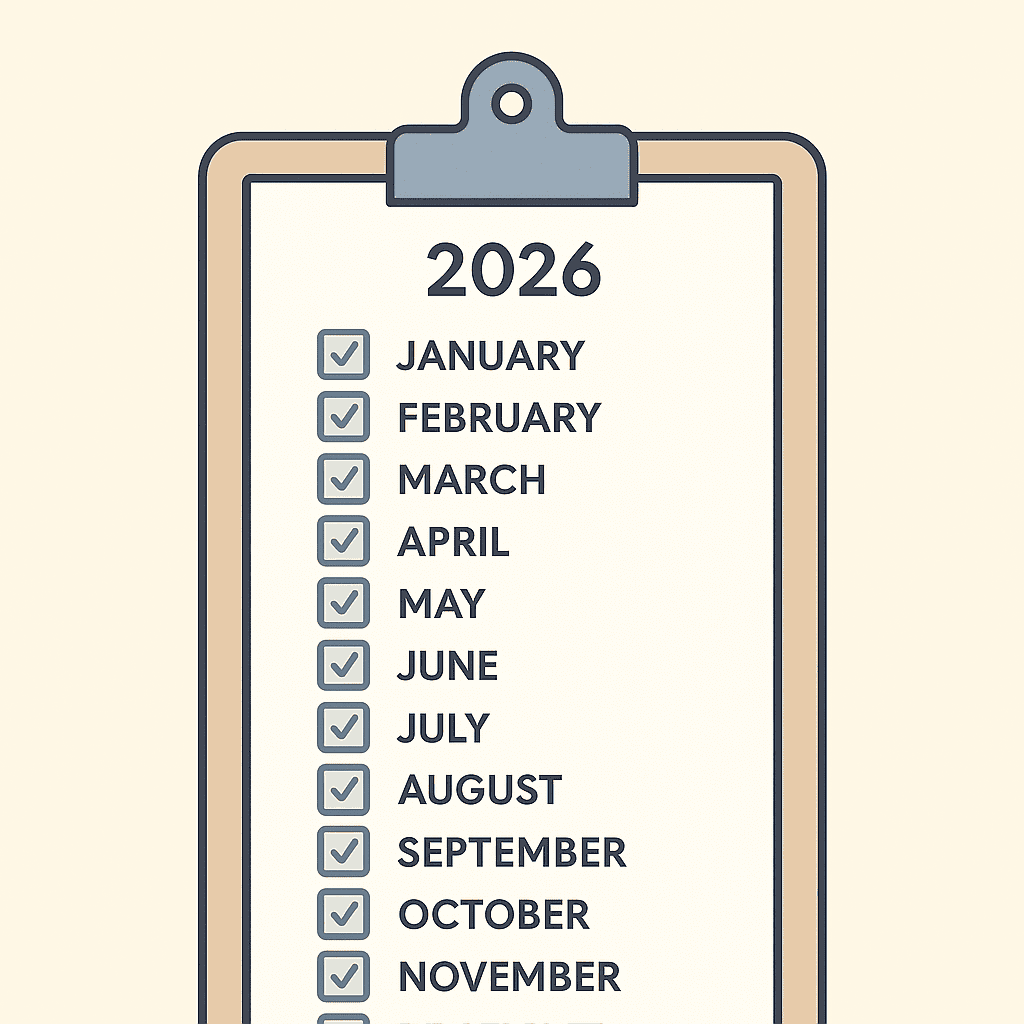
Use the 2026 board calendar as a planning template for meetings, records, maintenance and financial work.
Oliver Lindebod · December 22, 2025
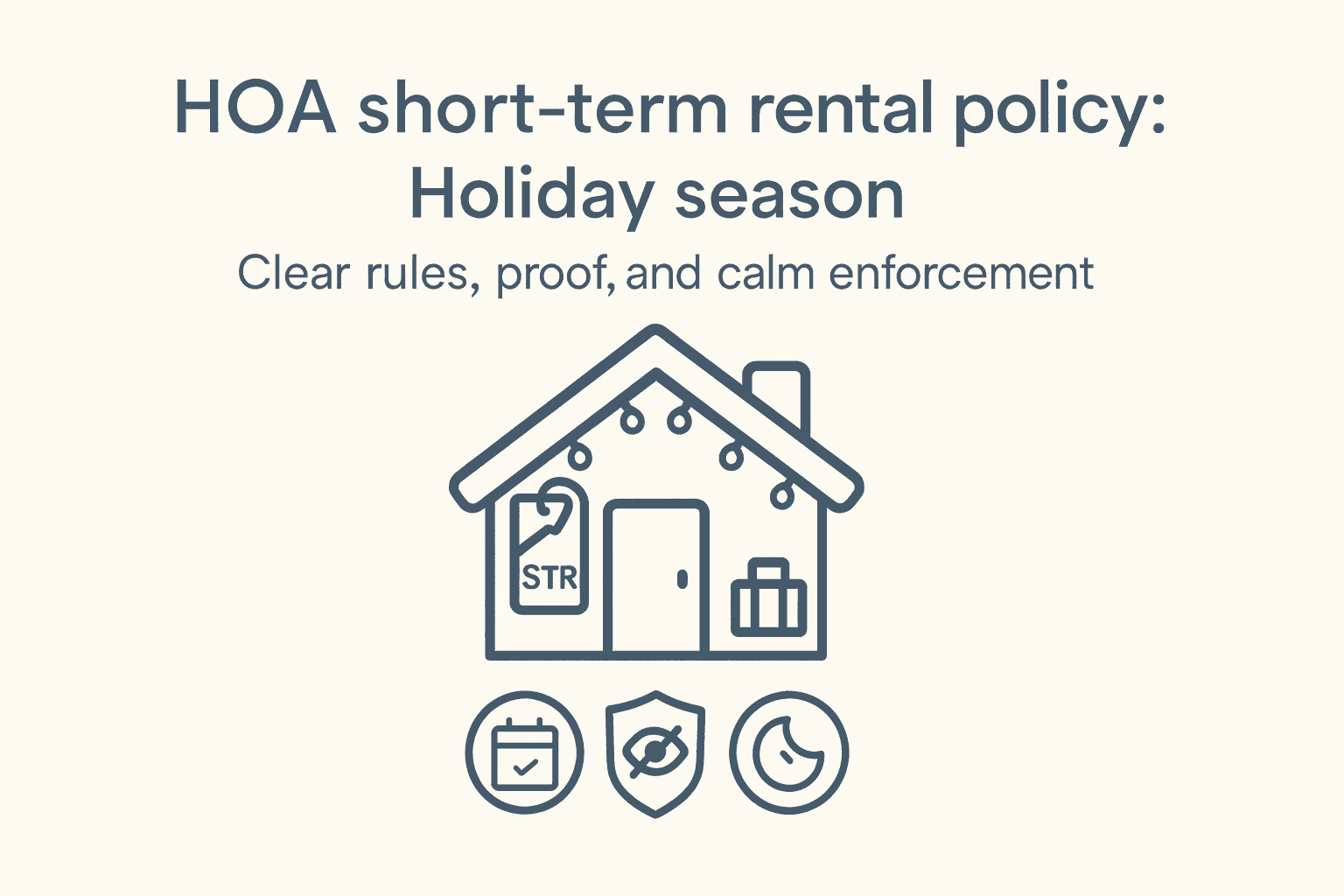
Create a short-term rental process around valid authority, actual local law and a clear way to handle complaints. Avoid treating one state’s rule as a national standard.
Oliver Lindebod · December 15, 2025
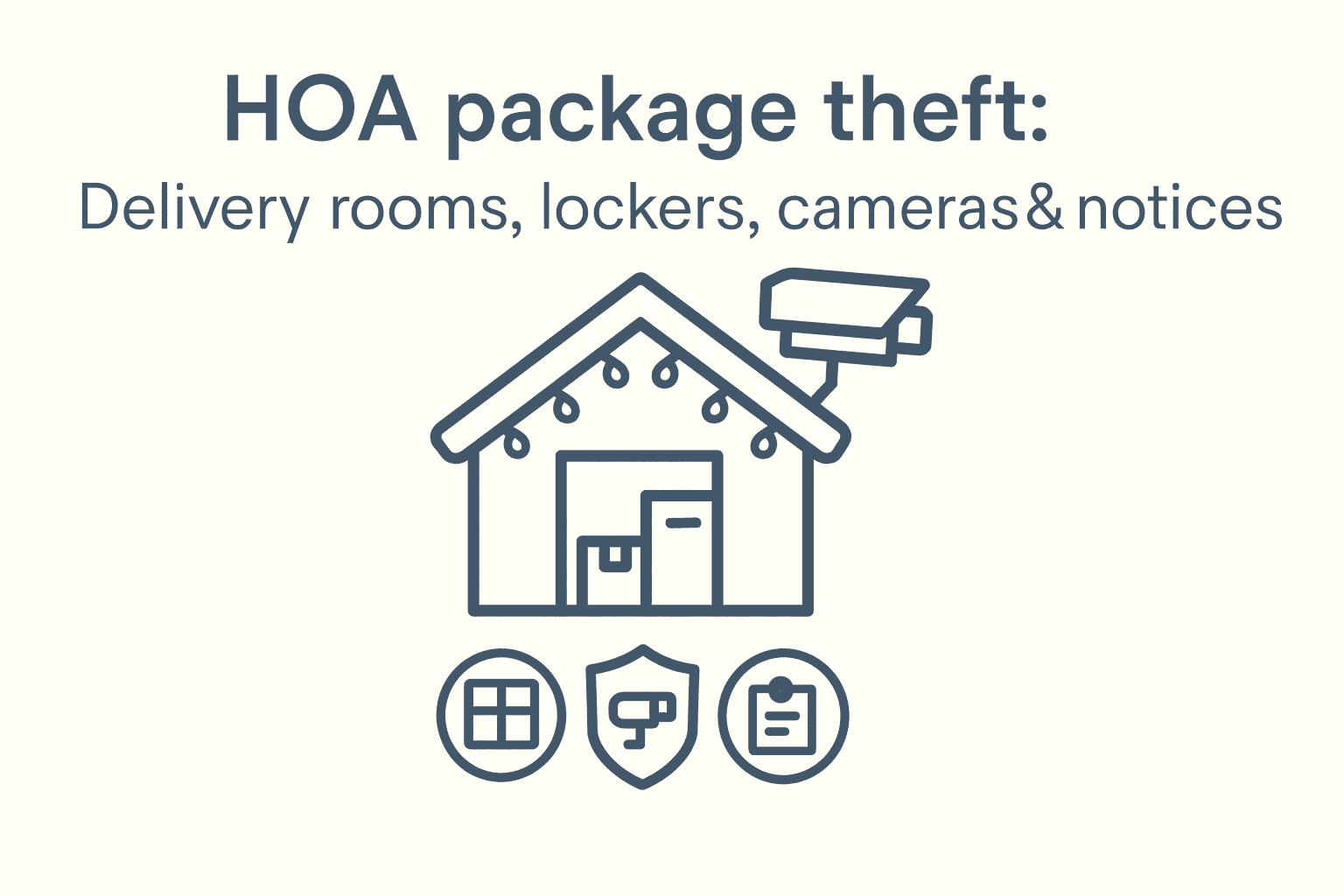
Improve package handling with clear access, proportionate security measures, privacy controls and a process after theft.
Oliver Lindebod · December 8, 2025
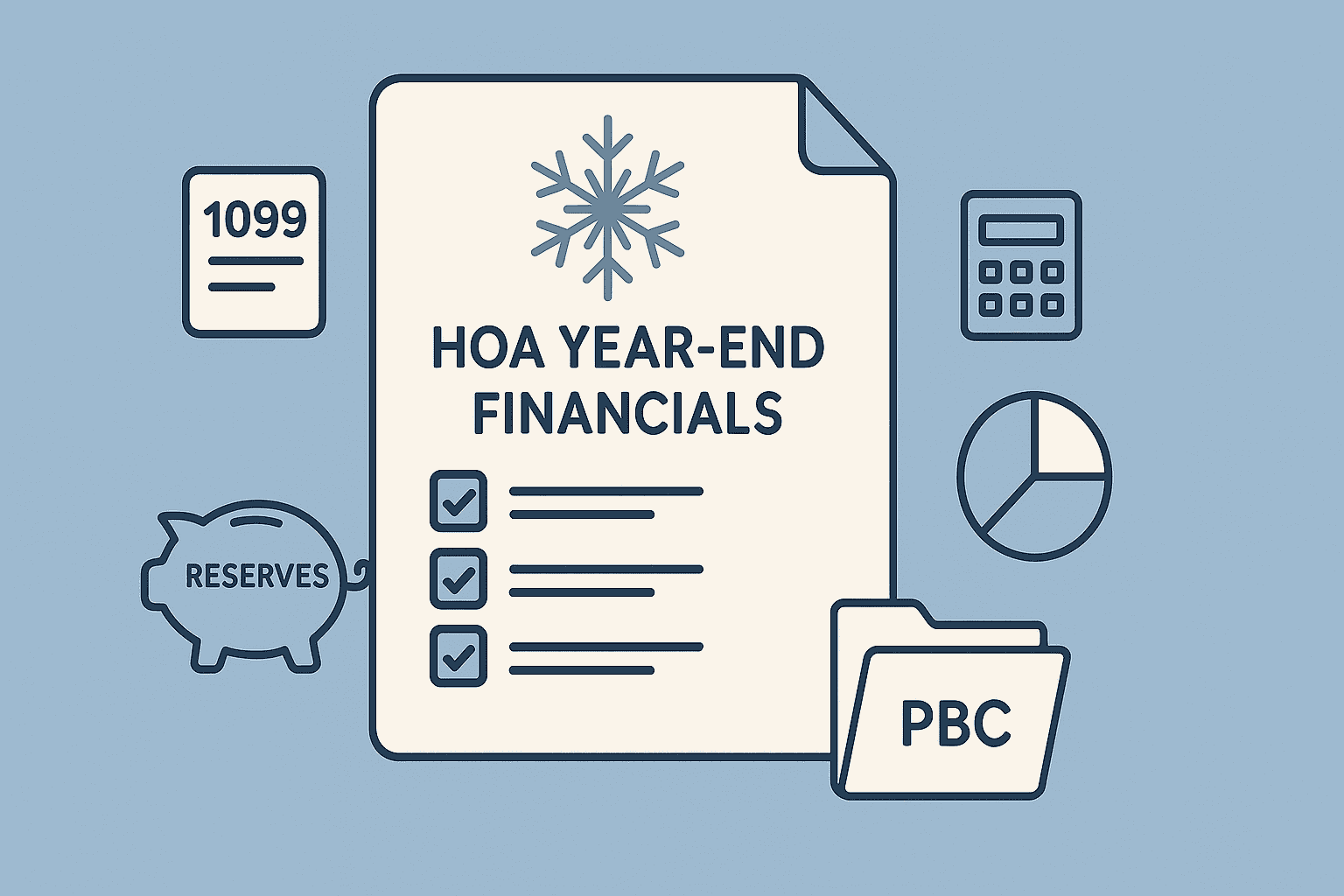
Prepare year-end records, reserves and vendor reporting with the correct payment-year thresholds and actual filing deadlines.
Oliver Lindebod · December 1, 2025
Prepare for winter with a scoped service agreement, safe access, inspection records and a clear incident process.
Oliver Lindebod · November 24, 2025
Plan holiday decoration rules around valid authority, safety, relevant legal protections and a clear process for requests.
Oliver Lindebod · November 17, 2025
Understand cash, accrual and mixed reporting methods, then choose and document the basis required for your association’s reports.
Oliver Lindebod · November 10, 2025
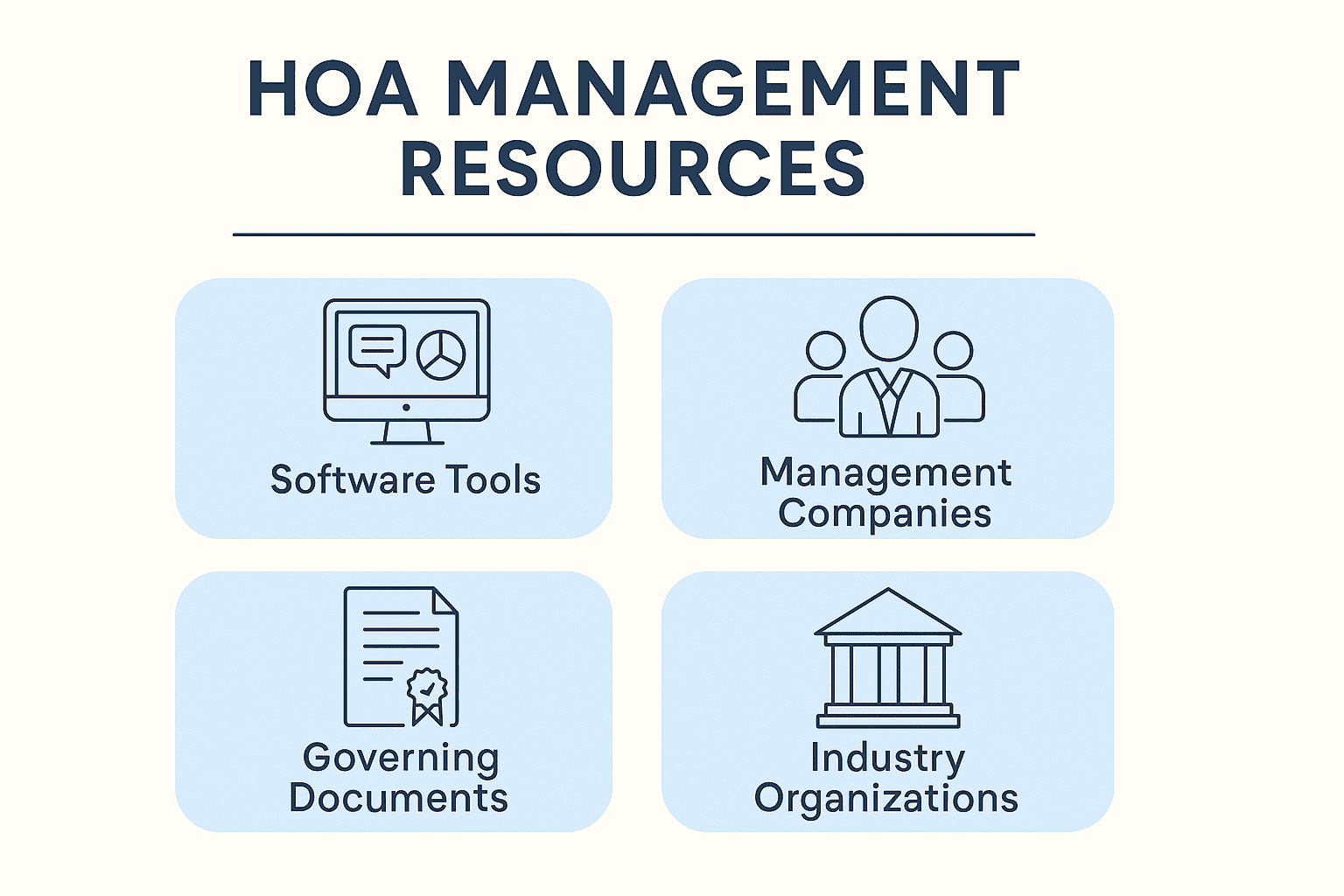
Choose useful board resources: governing documents, official guidance, professional help, working templates and suitable software.
Oliver Lindebod · November 3, 2025
Choose association bank accounts around cash needs, reserve restrictions, access controls and actual deposit insurance coverage.
Oliver Lindebod · October 27, 2025
Welcome a new resident with practical contacts, current documents, facilities and clear information about payments.
Oliver Lindebod · October 20, 2025
Build a reporting calendar for financial statements, records access, tax filings and actual regulatory duties. Avoid outdated blanket BOI filing instructions.
Oliver Lindebod · October 13, 2025
Compare self-management, a manager and a hybrid arrangement using actual tasks, skills, contracts and backup.
Oliver Lindebod · October 6, 2025
Consider association fees, shared facilities, restrictions and governance before buying a home in a community association.
Oliver Lindebod · September 29, 2025
Prepare a board meeting agenda with a clear decision, supporting material and follow-up for each item.
Oliver Lindebod · September 22, 2025
Keep reserve planning, fund accounting and bank balances distinct. Use the component plan and applicable funding rules to guide contributions.
Oliver Lindebod · September 15, 2025
Use a condo maintenance checklist alongside the building’s actual inspection duties, reserve planning and professional advice.
Oliver Lindebod · September 8, 2025
Build a practical community maintenance routine around responsibilities, a calendar, records and realistic priorities.
Oliver Lindebod · September 1, 2025
Identify the common areas your association is responsible for, then organize inspections, work and follow-up.
Oliver Lindebod · August 25, 2025
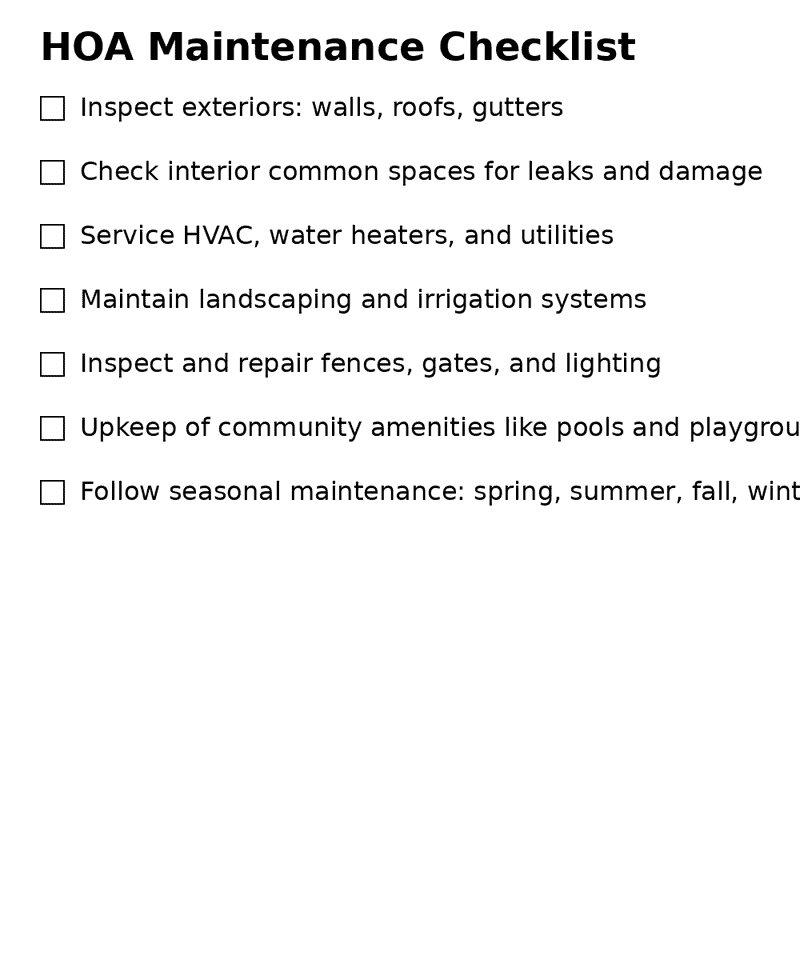
Turn routine maintenance into an assigned checklist with dates, observations and follow-up. Adapt it to the actual property.
Oliver Lindebod · August 18, 2025
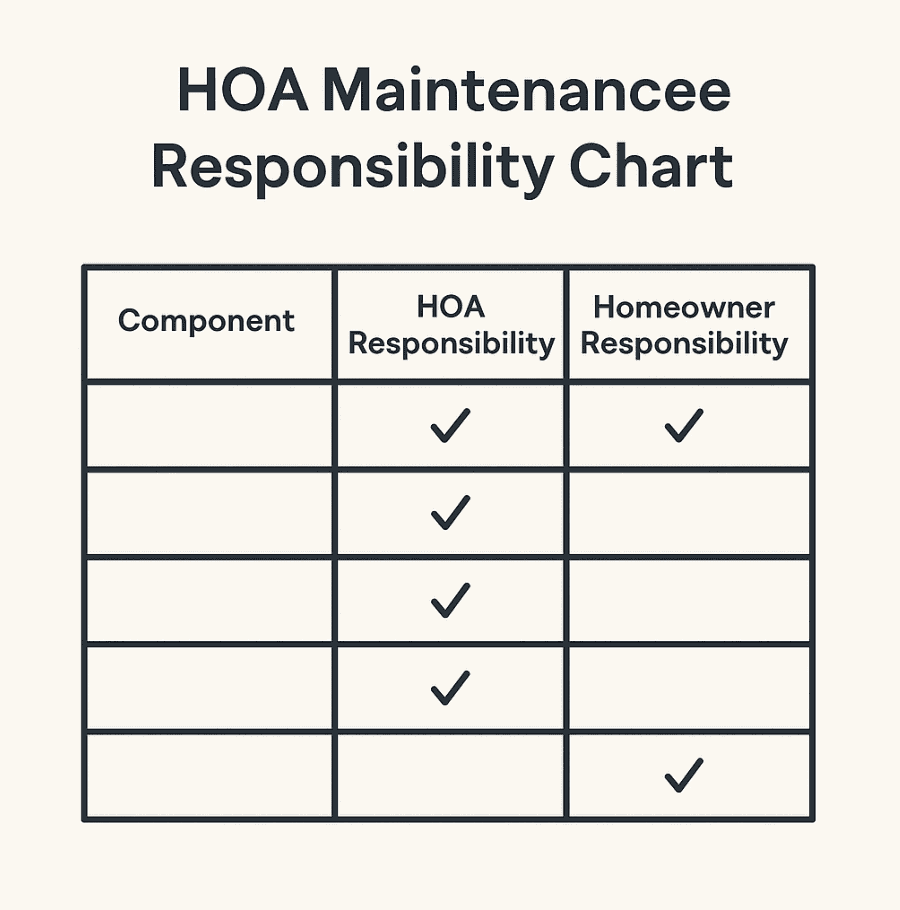
Map who maintains, pays for and insures each component, with a reference to the document or rule that supports the allocation.
Oliver Lindebod · August 11, 2025
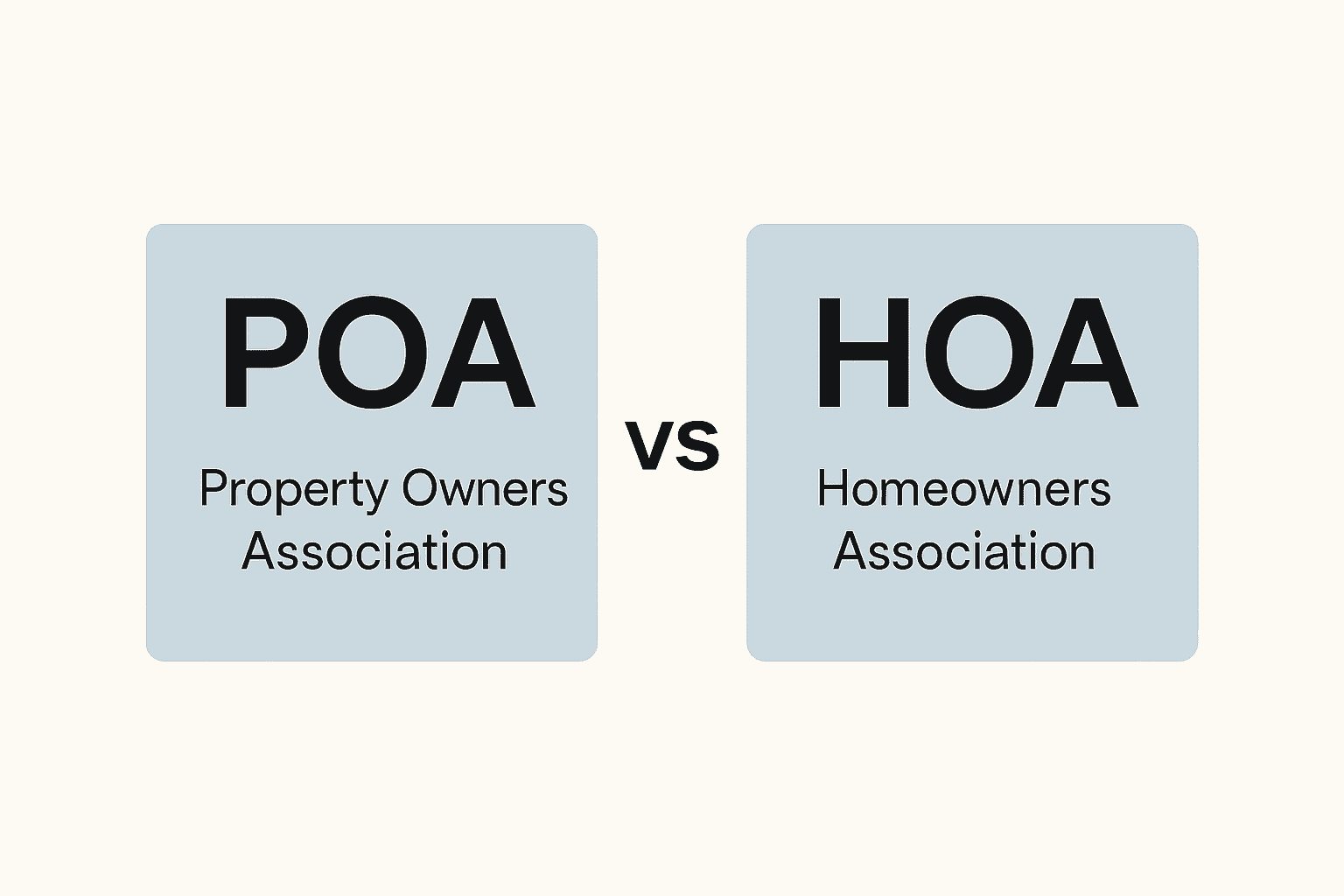
Understand what an association actually controls before relying on the label POA or HOA. Names alone do not determine legal powers.
Oliver Lindebod · July 30, 2025
Add a shortcut to your phone or tablet’s home screen for quicker access to your association.
Oliver Lindebod · May 15, 2025
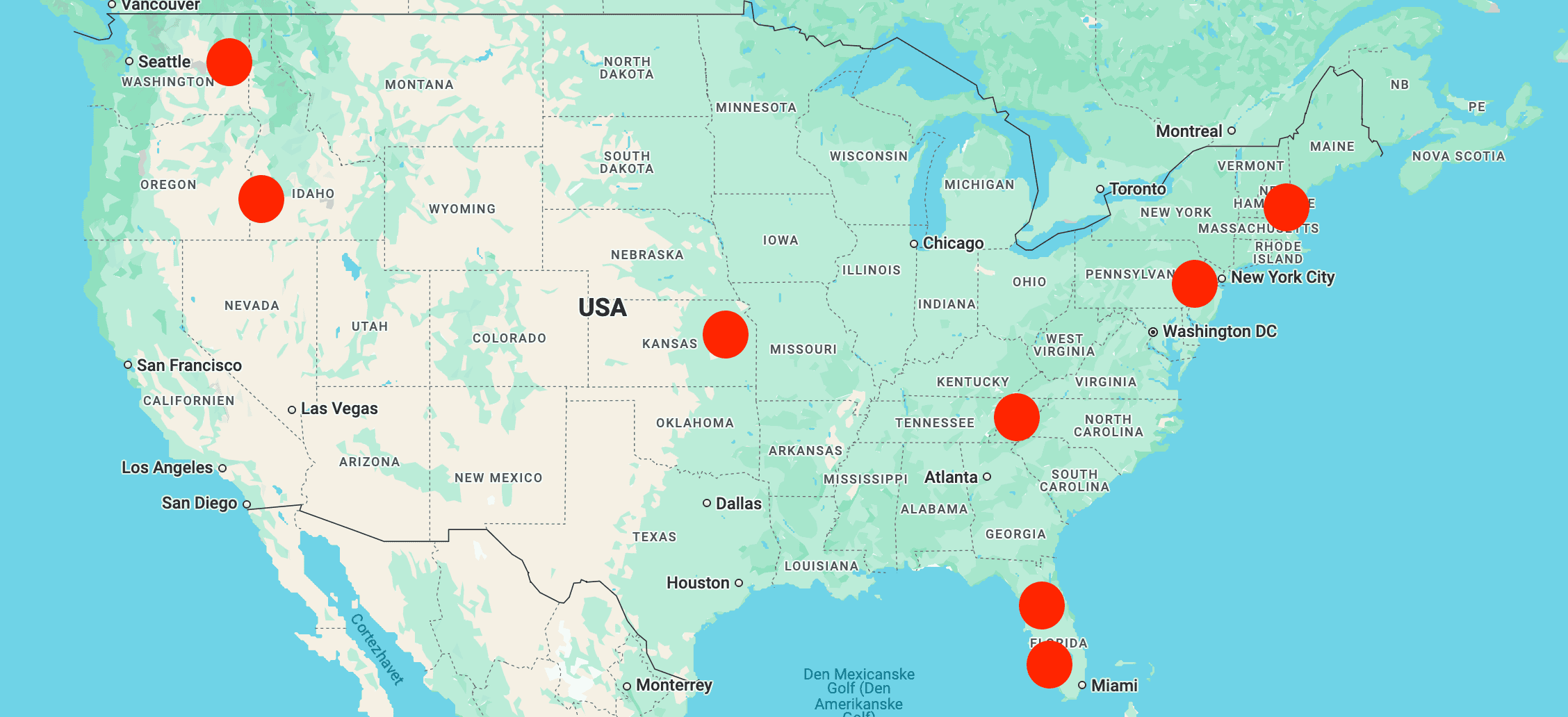
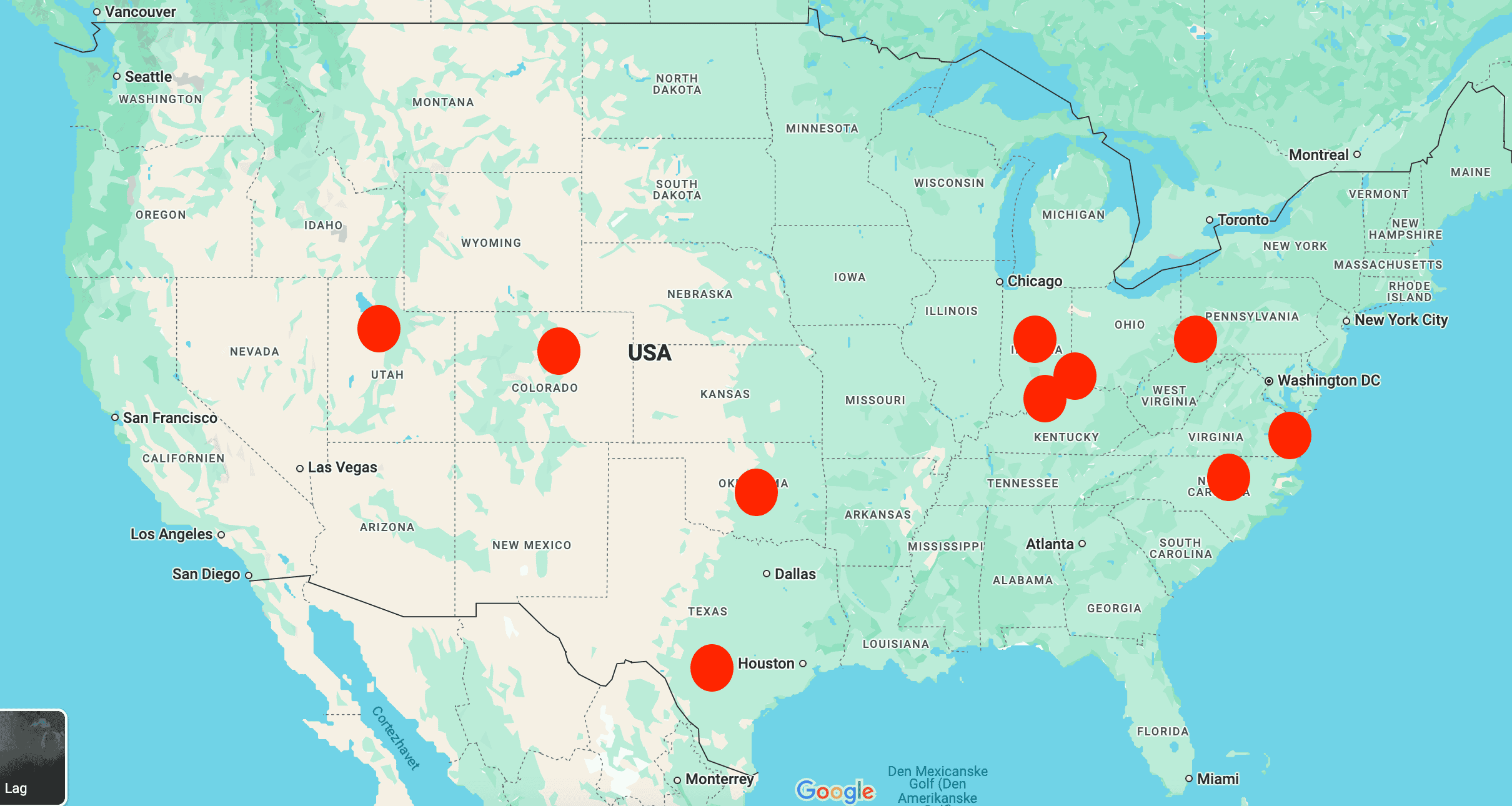
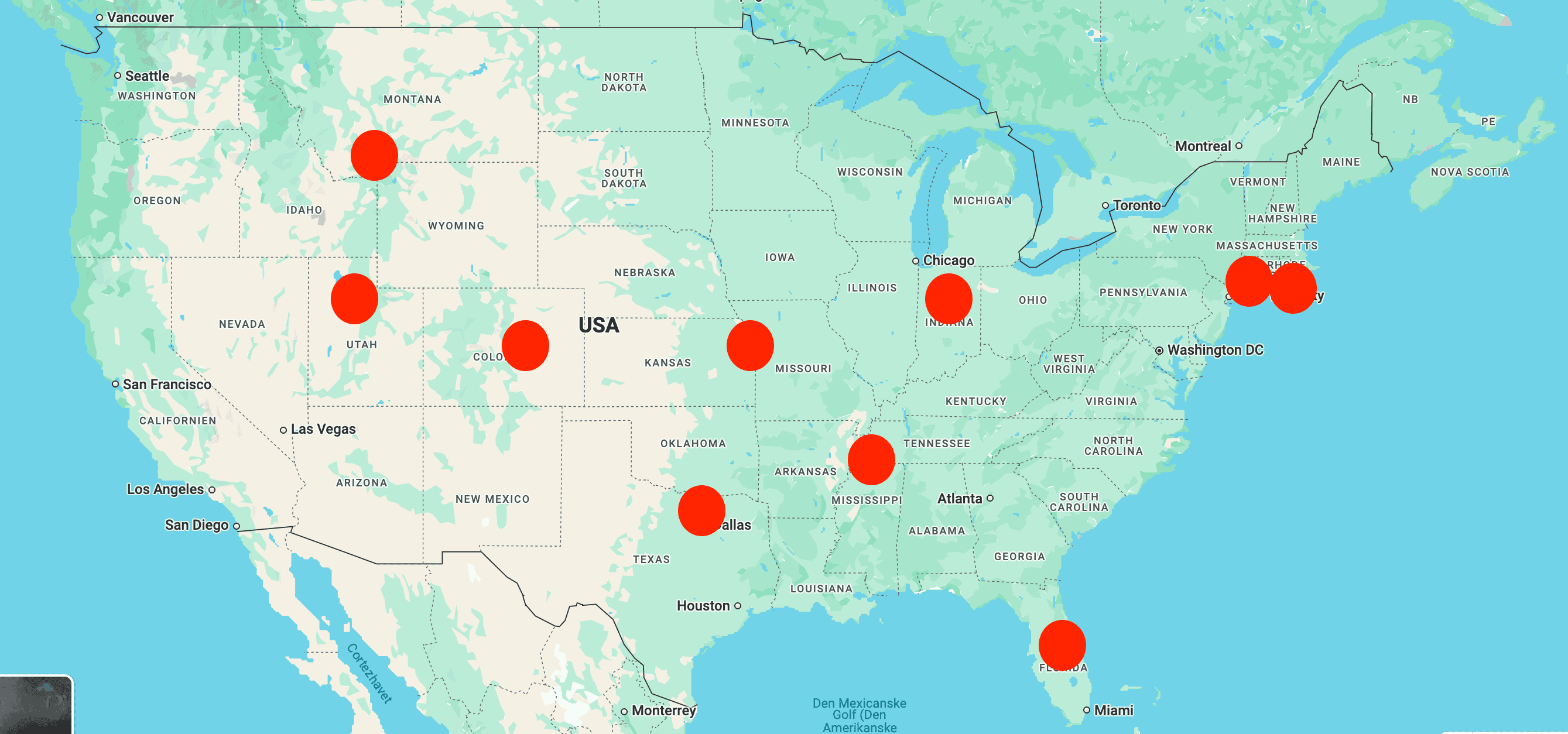
A historical editorial selection of U.S. communities and factors that may matter to families.
Oliver Lindebod · May 7, 2025
Historical editorial selection of housing markets considered affordable under the original criteria.
Oliver Lindebod · May 6, 2025
A historical comparison of the original median home value figures for 2019–2023.
Oliver Lindebod · May 5, 2025
See how events are created and shared with the intended participants.
Oliver Lindebod · May 2, 2025
Historical selection of communities where the original analysis described long periods of owner occupancy.
Oliver Lindebod · May 2, 2025
See how personal resident accounts and access are set up.
Oliver Lindebod · April 30, 2025
The original editorial selection of communities described as having large residential lots.
Oliver Lindebod · April 28, 2025
See how the bulletin board is used for news and practical updates.
Oliver Lindebod · April 28, 2025
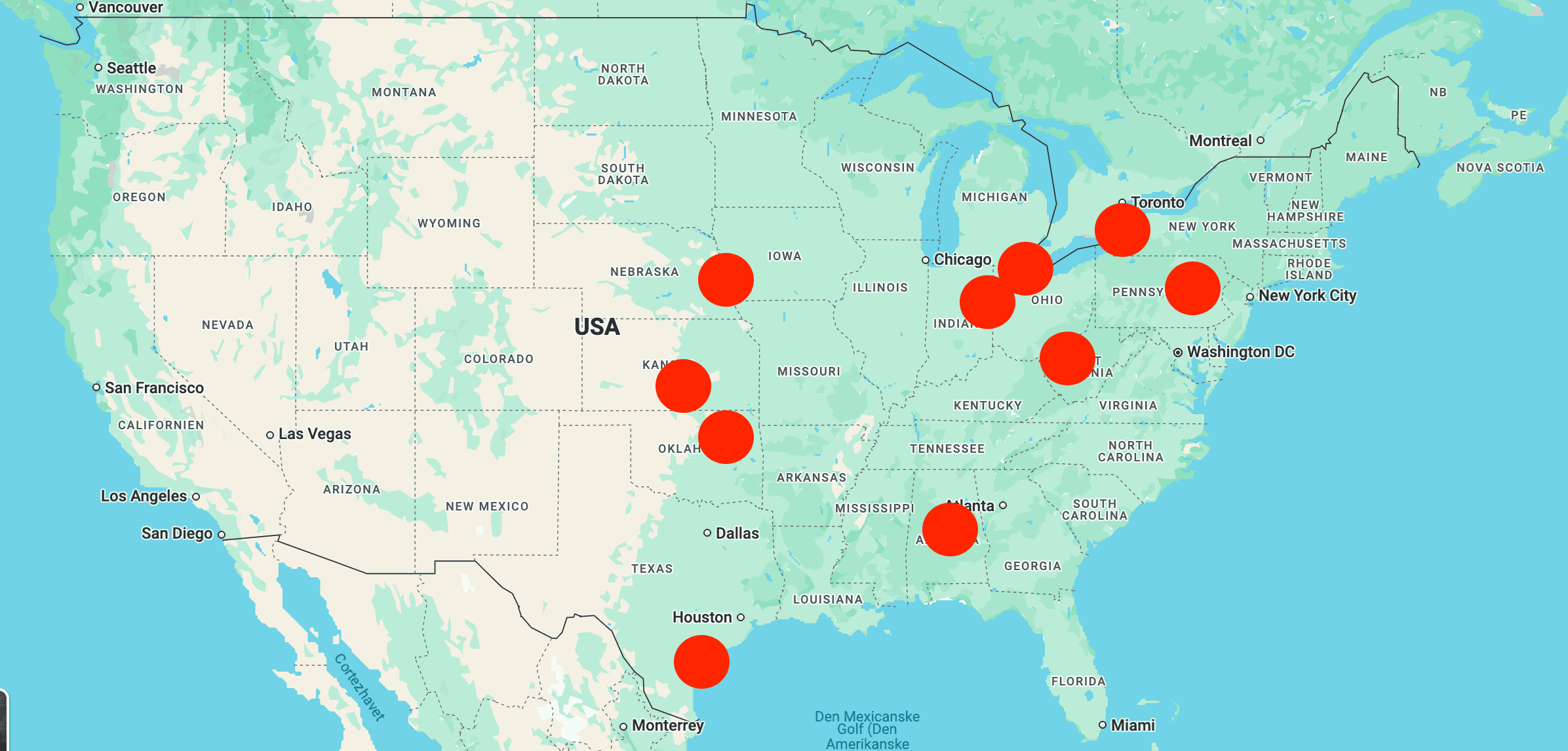
Historical selection of U.S. communities with a high share of recently built housing.
Oliver Lindebod · April 24, 2025
Record decisions, votes and required meeting information clearly, then follow the applicable review, access and retention rules.
Oliver Lindebod · April 23, 2025
Review association insurance by coverage, limits, exclusions, deductibles and actual responsibilities—not just the name of the policy.
Oliver Lindebod · April 21, 2025
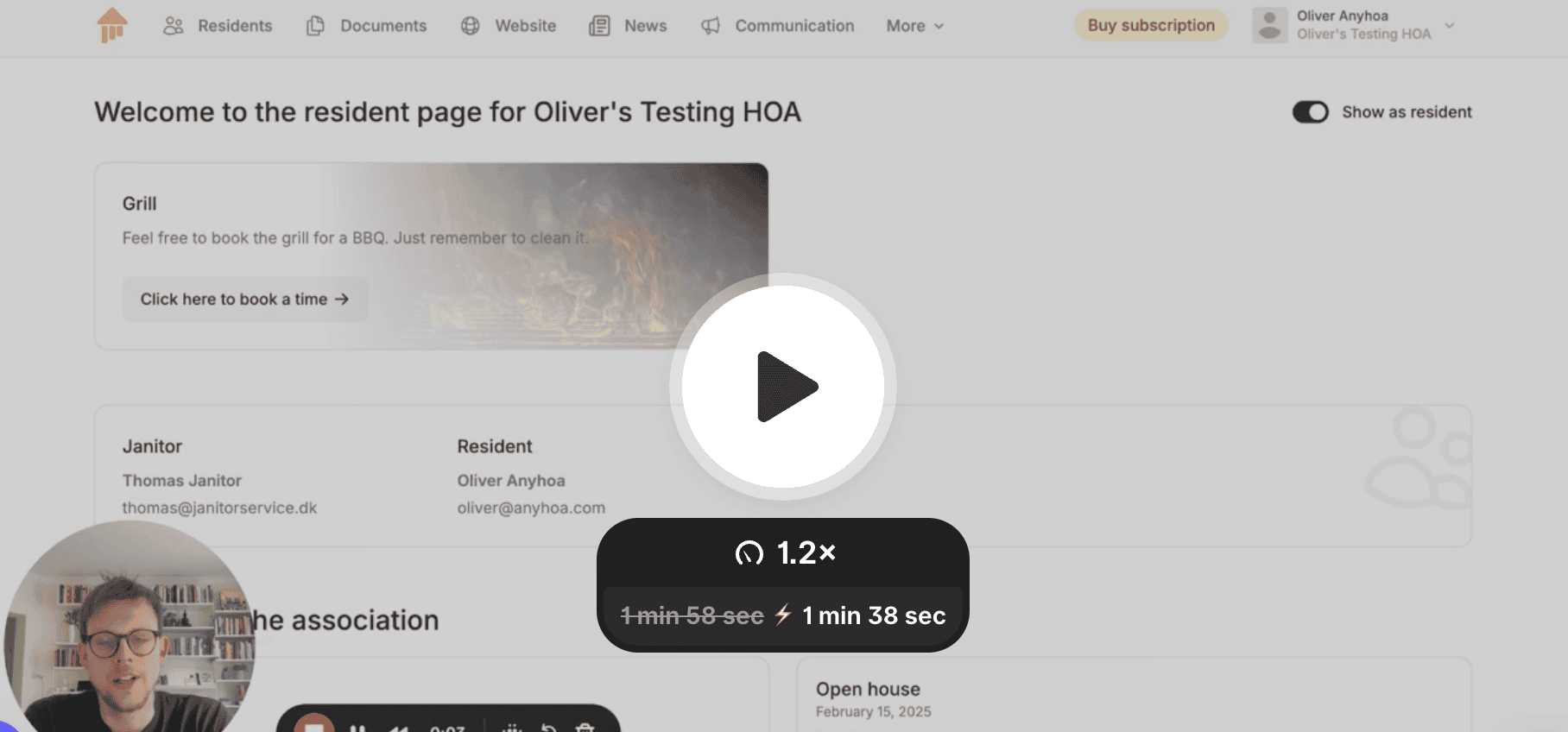
See how to make the caretaker’s agreed contact information easy to find.
Oliver Lindebod · April 14, 2025
See how meeting minutes can be uploaded and shared with the appropriate audience.
Oliver Lindebod · April 10, 2025
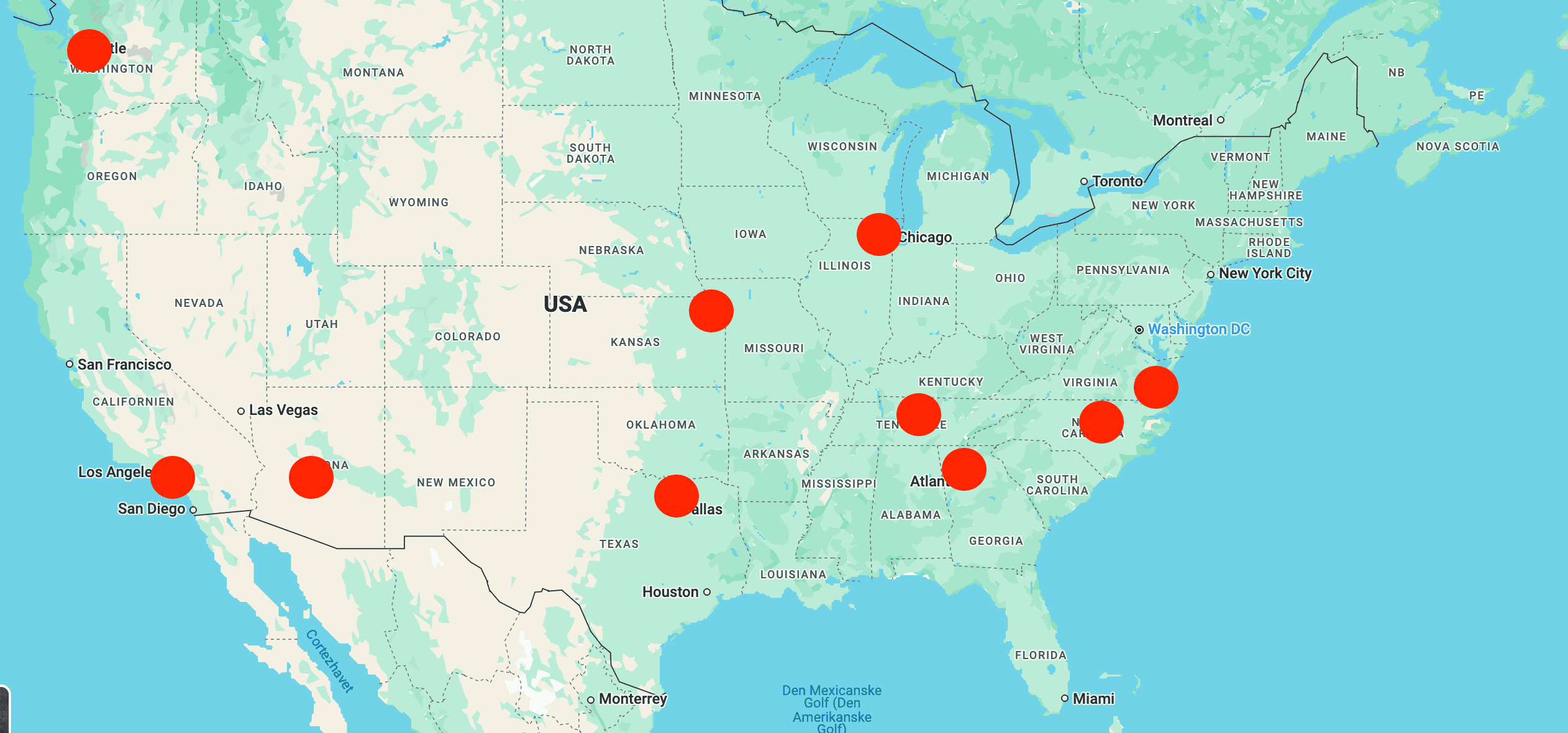
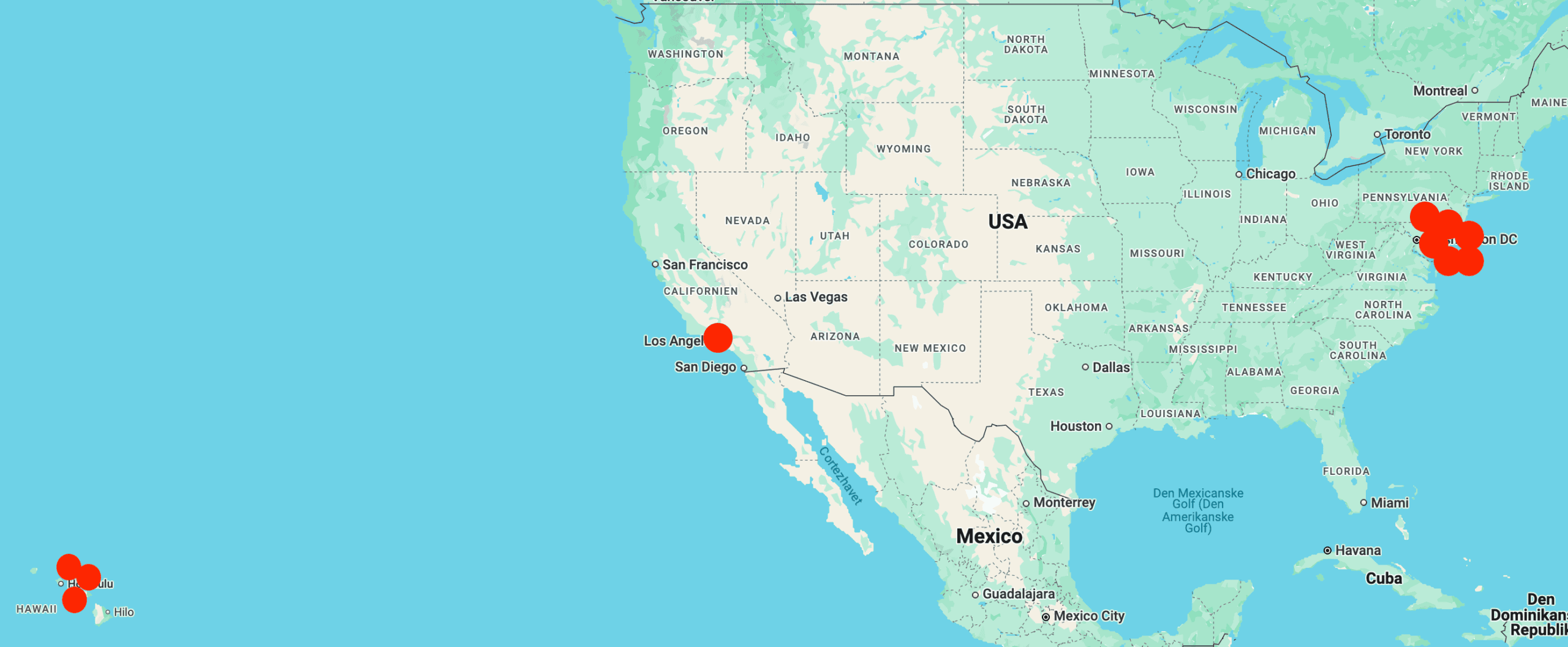
A look back at LendingTree’s 2025 study of under-30 mortgage holders in the largest U.S. metro areas.
Oliver Lindebod · April 10, 2025
Amend governing documents with exact wording, valid notice, the correct approval threshold and any required filing.
Oliver Lindebod · April 9, 2025
Understand the difference between a budget, financial statements, cash flow and a reserve plan, then build the reporting calendar your association actually needs.
Oliver Lindebod · April 8, 2025
Historical selection of U.S. communities with large listed homes, using the original 2022–2023 listing figures.
Oliver Lindebod · April 7, 2025
See how to collect contractor contacts and the association’s own experience in one place.
Oliver Lindebod · April 3, 2025
Digitize one useful association workflow at a time, with a clear owner, appropriate access and support for residents.
Oliver Lindebod · April 2, 2025
Plan a special members’ meeting around valid calling authority, proper notice, the actual agenda and the correct voting rules.
Oliver Lindebod · March 31, 2025
See how to introduce your community through a clear presentation page.
Oliver Lindebod · March 27, 2025
Residents may move because of changing space, family, work, finances or experience of the community. Learn from feedback without assuming one cause fits everyone.
Oliver Lindebod · March 26, 2025
Twelve ways to organize association work around tasks, records, communication and continuity.
Oliver Lindebod · March 24, 2025
See how governing documents are uploaded and made accessible to the board and residents.
Oliver Lindebod · March 20, 2025
Check board authority, fair housing, finances, enforcement and records before a dispute becomes harder to resolve.
Oliver Lindebod · March 19, 2025
Prepare an association-home sale by identifying the ownership structure, required disclosures, approval powers and closing responsibilities.
Oliver Lindebod · March 18, 2025
See how residents are added, updated and assigned relevant roles.
Oliver Lindebod · March 15, 2025
See how a community website is created and customized for residents and visitors.
Oliver Lindebod · March 13, 2025
An English-language overview of board work in Danish housing cooperatives: roles, oversight, records and the limits of delegation.
Oliver Lindebod · March 12, 2025
An English-language introduction to general meetings in Danish housing cooperatives. Read the actual bylaws alongside the Danish statutory rules.
Oliver Lindebod · March 10, 2025
See how a cooperative housing transfer agreement can be created and managed in the system.
Oliver Lindebod · March 5, 2025
See how residents create listings and browse items offered by their neighbors.
Oliver Lindebod · March 4, 2025
Choose consistent channels for updates, questions and decision records so residents know where to look and how to respond.
Oliver Lindebod · March 3, 2025
Prepare a members’ meeting by checking the applicable law, governing documents, notice, voting rights and records.
Oliver Lindebod · March 3, 2025
See how shared rules are collected and made available to the relevant residents.
Oliver Lindebod · February 27, 2025
Make voting understandable with a clear proposal, correct voting rights and a lawful, accessible participation method.
Oliver Lindebod · February 26, 2025
Connect recurring assessments, payment records and bookkeeping carefully. Automation can reduce repeated work, while reconciliation and oversight remain essential.
Oliver Lindebod · February 24, 2025
See how practical instructions are gathered so residents can find help with everyday tasks.
Oliver Lindebod · February 17, 2025
See how to publish and maintain a digital house rules section.
Oliver Lindebod · February 8, 2025
See how an association’s own domain is connected to its website.
Oliver Lindebod · January 30, 2025
Keep the right records and decision procedures for your association. A shared archive supports compliance but does not establish it.
Oliver Lindebod · January 29, 2025
Understand board tasks, authority, oversight and the differences between planned communities, condominiums and cooperatives.
Oliver Lindebod · January 23, 2025
Plan common-area work from actual responsibilities, inspections and priorities, then track who follows up.
Oliver Lindebod · January 22, 2025
See how documents are uploaded, organized and shared in the association’s archive.
Oliver Lindebod · January 22, 2025
Create clear community rules within valid authority, with fair adoption, appropriate accommodations and a lawful enforcement process.
Oliver Lindebod · January 20, 2025
See how shared facilities and booking rules are set up for residents.
Oliver Lindebod · January 20, 2025
See how photos are organized in galleries and shared with the intended audience.
Oliver Lindebod · January 16, 2025
Organize a self-managed association’s finances with clear tasks, supporting records, payment controls and regular review.
Oliver Lindebod · January 15, 2025
Move association records into a usable shared structure with clear versions, access and responsibility for updates.
Oliver Lindebod · January 13, 2025
See how messages are created and shared within the association.
Oliver Lindebod · January 9, 2025
Nine practical challenges for community boards, with examples of how digital routines can support the work.
Oliver Lindebod · January 7, 2025
Compare self-management, targeted professional help and a management agreement using your board’s actual tasks and resources.
Oliver Lindebod · January 3, 2025
Match the valuation to its purpose. Market value, insurance replacement cost and reserve planning answer different questions for an association.
Oliver Lindebod · January 2, 2025
Plan shared EV charging around parking rights, electrical capacity, installation, billing and ongoing responsibility.
No results. Try another search.
Choose a package and get started right away, or reach out to co-founder Oliver Lindebod.