Why residents move out of condominium, co-op, and homeowners’ associations

Published
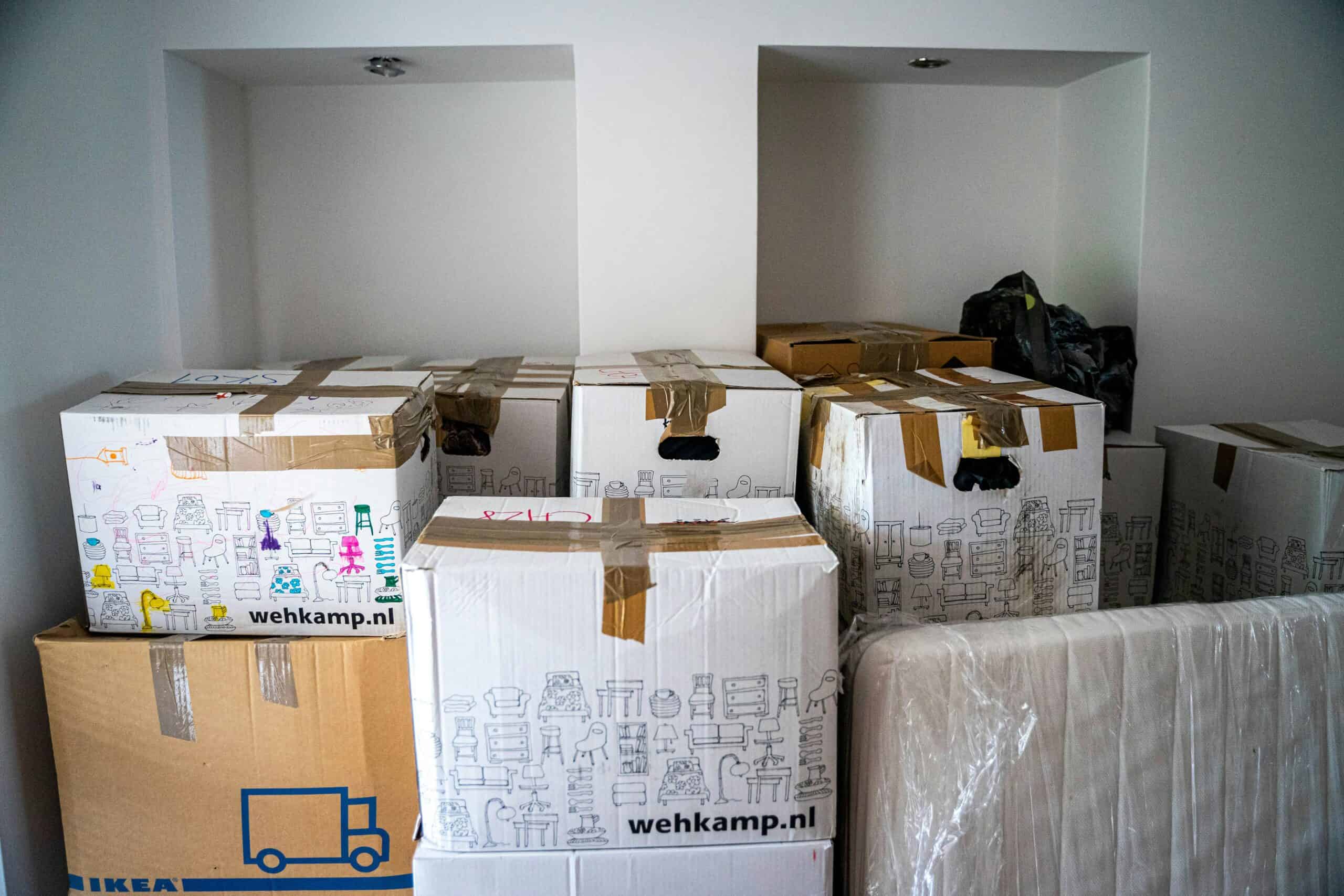
A move is not proof of a failing association
A different job, household size or budget can change someone’s housing needs. Noise, maintenance or difficult communication may also matter. These are possible explanations, not a measured ranking for every condo, co-op or HOA.
Ask for useful, voluntary feedback
Offer a short opportunity to explain what worked and what could have been better. State how comments will be used and avoid collecting unnecessary private details. Do not turn one local survey or an old study from another country into an explanation of every move in your own community.
Improve the parts the association can influence
- Clear information about costs and upcoming work.
- A reasonable process for practical problems and complaints.
- A useful welcome for new residents.
- Different ways to participate without taking a large volunteer role.
These actions may improve daily life, but they do not guarantee retention or prevent a move for personal reasons.
Handle departure and arrival properly
Follow the correct resale or occupancy process for the property type. Update contact and access at the right time and retain former residents’ information only for an appropriate purpose and period.
Give the new resident current documents and a practical point of contact. A considerate handover supports continuity regardless of why the previous resident moved.
Questions and answers
Does turnover show that residents are unhappy?
Not by itself. Investigate actual experiences and separate association issues from personal housing needs.
Can an old survey explain our own community?
It can suggest questions, but its population, date and definitions must be relevant before drawing conclusions.
Sources and scope
- European Data Protection Board: Secure personal data
Risk-based organisational and technical security measures under GDPR Article 32
Checked